Penalty Kick Strategies: Bankroll Management and Betting
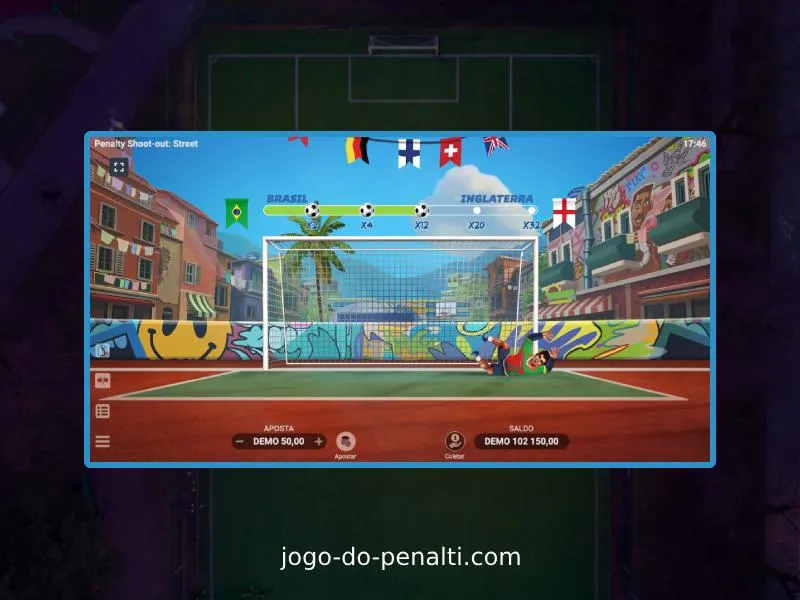
Penalty Shoot Out determines each shot using an audited random number generator, which makes it impossible to guess which way the goalkeeper will dive. That doesn’t mean that playing well and playing poorly amount to the same thing: the difference lies in bankroll management, bet size, and the timing of cashing out your winnings. This guide brings together the tactics that extend your playing time and reduce avoidable losses in the penalty shootout game.
Basic Principles for Playing Successfully in Penalty Shootout
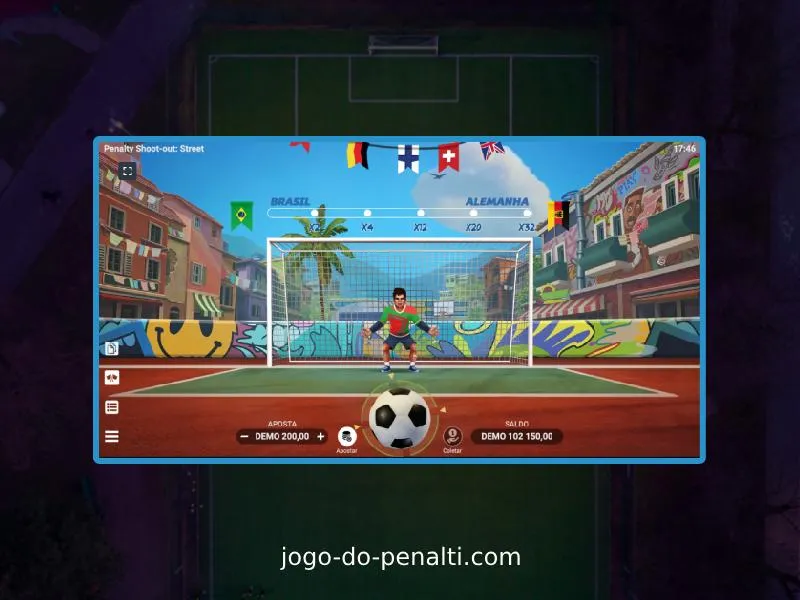
Before considering any strategy, there are four rules that apply to every session:
- Never play under the influence of alcohol or any substance that impairs your judgment.
- Set a financial limit before starting the game, not in the middle of a session.
- Manage your balance with small bets, which extend the number of available rounds.
- Always follow responsible gaming rules as a permanent safeguard, regardless of the results.
If you’re not yet familiar with the multipliers for each area of the goal, you’ll find the complete technical details on the main page for Penalty Shoot Out.
Managing Your Gaming Balance
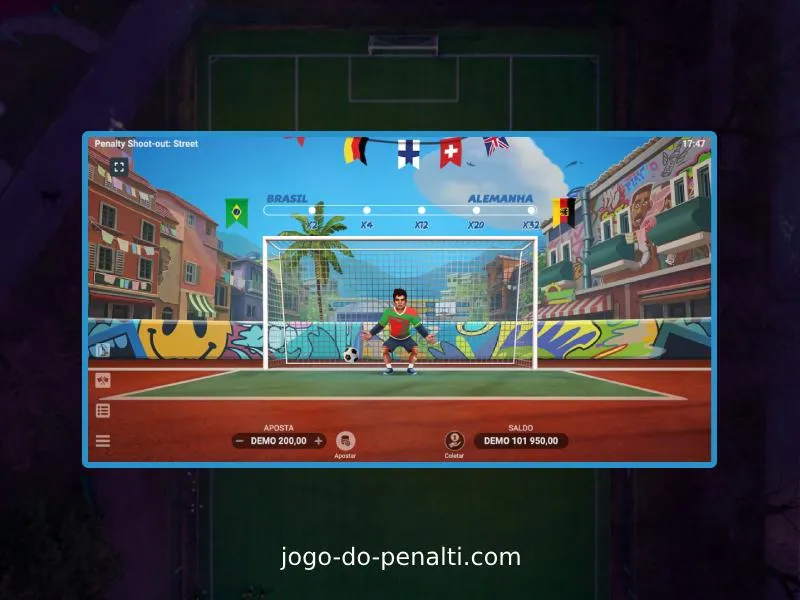
Managing your balance is what separates a twenty-minute session from a two-round session. The key is to divide your bankroll into portions and set the bet for each round in advance, rather than reacting to the previous result. Set the maximum amount you’re willing to spend and treat it as an absolute limit—the slot’s average volatility produces sequences of saves that catch those who bet on impulse by surprise.
| Session Bankroll | Suggested Bet Per Round | Available Rounds |
| 100 coins | 1–2 coins | 50 to 100 |
| 500 coins | 5–10 coins | 50 to 100 |
| 2,400 coins | 50 coins (progression) | full cycle of betting levels |
Knowing when to stop is just as important as knowing how to bet: with a cool head, the decision to end the round and secure the accumulated prize becomes objective rather than emotional.
Betting Strategies for Penalty Shootout
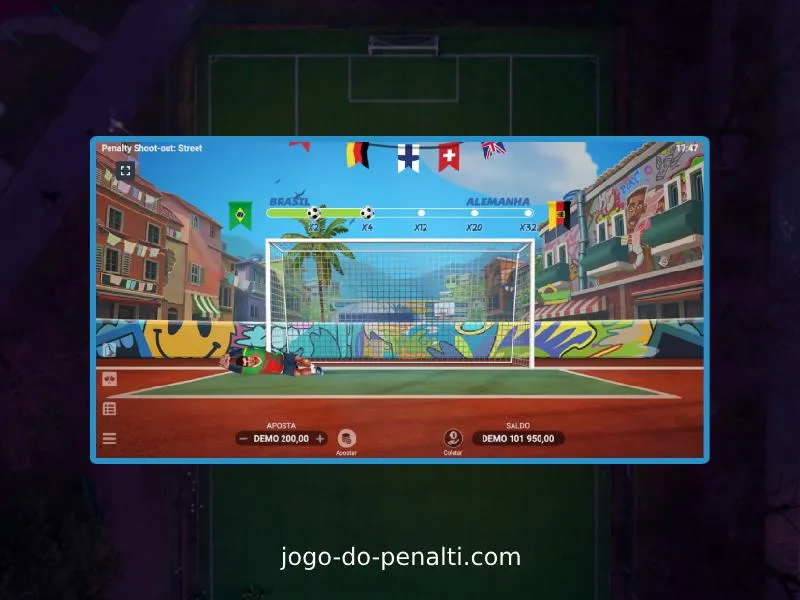
When playing with real money, what matters is choosing a system and sticking to it until the end of the session. Here’s how the three most common approaches compare:
| Strategy | Best for | Risk |
| Small Bets | Beginners and long sessions | Low |
| Occasional large bets | Generous bankroll and short sessions | High |
| Step-by-step progression | Those who already have a good grasp of the mechanics | Medium to high |
Small-bet strategy
Always start with the minimum amount. The advantage of small bets is longevity: they allow you to weather losing streaks without depleting your bankroll and keep the game within your daily budget. Once that budget is exhausted, the session ends—using the budget for the following days is the mistake that turns entertainment into a loss.
When and how to place large bets
High bets are justified only when your balance allows it without compromising your set limit. The procedure is the same as for normal bets: create an account, make a deposit, and set the amount in the lower panel of the screen. The difference lies in the margin of error, which disappears almost entirely.
Progressive Strategies
Any system that increases or decreases the bet based on the previous result is progressive—the classic example distributes the bankroll in increments of 50, 100, 300, 500, and 1,500 coins. It works as long as there is enough balance to complete the cycle, which requires a minimum of 2,400 coins and the discipline not to rush into adding more increments.
Tips for Increasing Your Chances of Winning
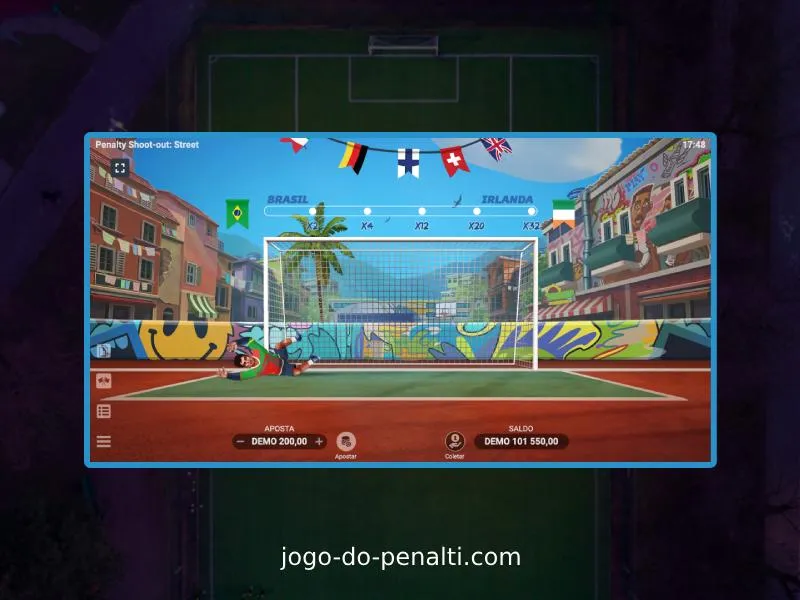
In practice, these four decisions have an immediate effect on the outcome of a session:
- Use autoplay sparingly and always with a set round limit.
- Divide your balance among sessions rather than risking it all at once.
- Adjust your bet size to your available balance, not to the prize you’d like to win.
- Opt for many small bets rather than a few large ones, because it’s the volume of rounds that creates opportunities.
Treat the slot as entertainment: enjoy the atmosphere of penalty kicks, don’t take the misses personally, and know when to end the session on time.
Practice in the demo version before betting
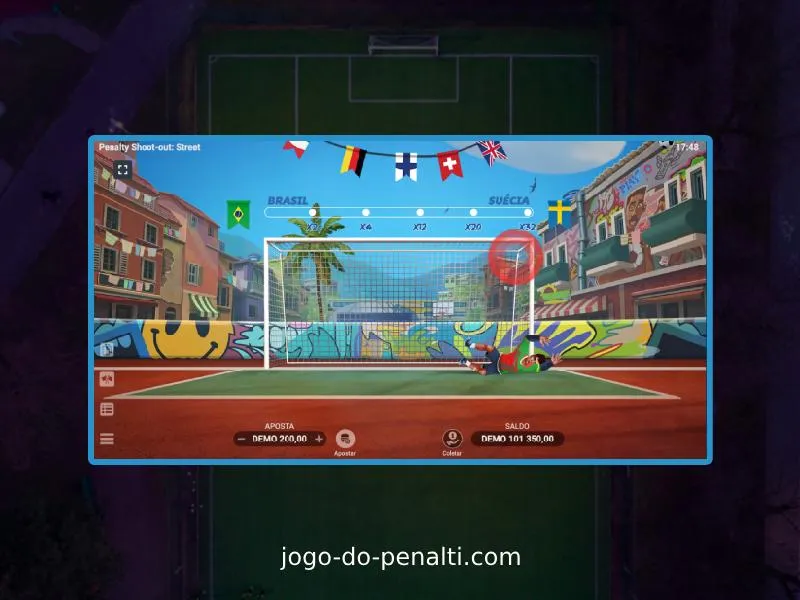
In free mode, players receive virtual credits and access to all game features, making it the ideal testing ground to try out an entire betting strategy at no cost. Test the Penalty Shoot Out demo version until you can describe your own betting plan in two sentences—at that point, you’re ready for real money. Just remember that virtual credits cannot be withdrawn.
Game Psychology
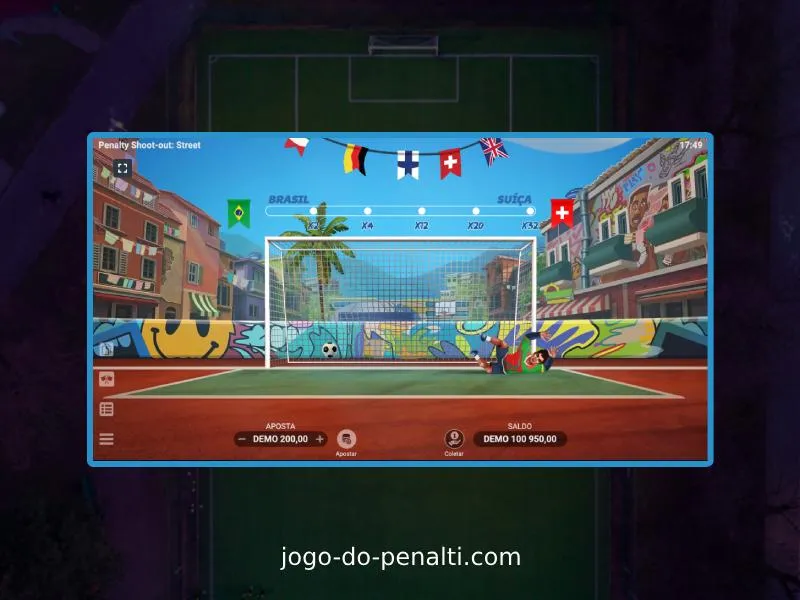
Controlling your emotions during the game
The greater the emotional intensity, the lower your concentration—and it’s in this state that you end up increasing your bets without good reason. Since Penalty Shoot Out combines luck with tactical decisions, keeping a cool head has practical value: it ensures that your choice of goal area and the timing of ending the round follow the plan you set at the beginning.
How to Deal with Losses Without Losing Motivation
A string of saved shots isn’t a sign that the game is “over,” because each round is independent of the previous one. If frustration starts to set in, it’s best to end the session and come back another day; watching recorded sessions by other players helps you compare approaches, but it never replaces the limit you’ve set for yourself.
Applicable bonuses and promotions
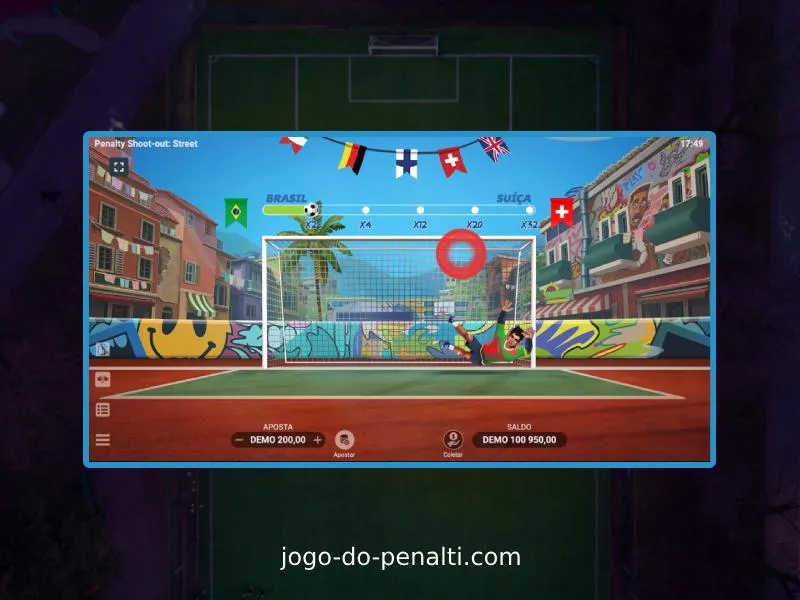
Promotional offers increase the number of rounds you can play with the same deposit, provided the rollover requirements are met. A common mistake is spending the entire bonus balance on a single series of high-stakes bets. Among the sites with the clearest terms for new players is Pin-Up, which offers bonuses of up to 120% on the first deposit, but always read the terms before accepting any offer.
Common Beginner Mistakes and How to Avoid Them
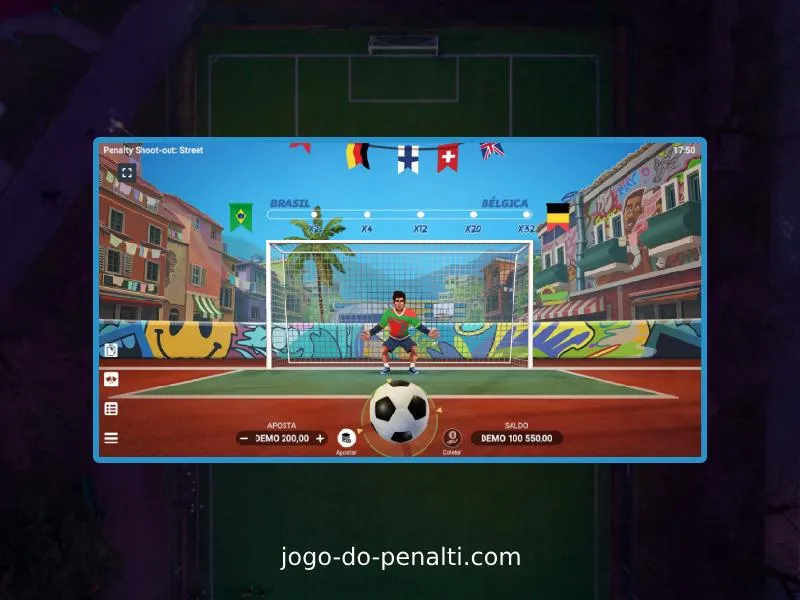
The basic mistake is treating gambling as a source of income. The second, more costly mistake is increasing your bet during a losing streak to “make up for losses”—a decision that accelerates the depletion of your balance without changing the probability of the next outcome. When that urge arises, the correct response is to stop playing.
Conclusion
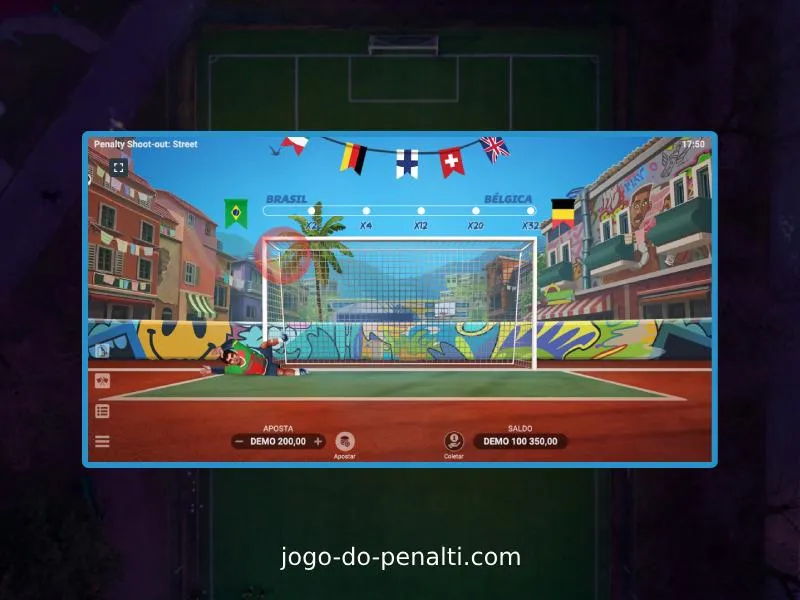
There’s no formula to beat the random number generator, but there is a way to play that keeps control in the player’s hands: a set limit, bets proportional to your balance, and a decision to stop made before the session begins. If you play mainly on the go, first check how to access Penalty Shoot Out on your phone to avoid connection drops in the middle of a round.
Frequently Asked Questions
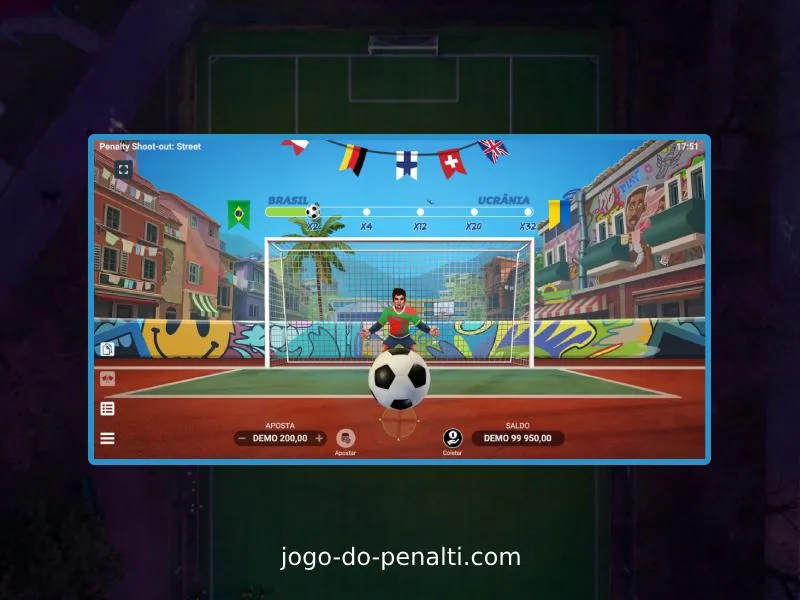
Is there a foolproof strategy for Penalty Shoot Out?
No. Results are generated by a certified random number generator, so no betting sequence guarantees a profit.
How often should you change your strategy?
It only makes sense to change your strategy when your session balance runs out or when the system no longer fits within your available budget.
Does the choice of team affect the odds of winning?
No. All teams have exactly the same odds; the flag is merely a visual element.
What percentage of the balance should you bet per round?
Between 1% and 2% of the session balance is the range that allows you to withstand long streaks without running out of rounds.
Is it worth always aiming for the same corner?
It offers no statistical advantage. A goal from a corner does not change the probability of the next shot going to that same corner.
How do you know when to stop and cash out your winnings?
Set a profit target and a loss limit before the session that will end the game, and stick to both without exception.
Is it possible to apply real-world soccer tactics to this game?
The mechanics are based on a casino game, not a sports game, so reading a real-life goalkeeper has no practical application here.
Does the time of day affect the probability of winning?
No. The random number generator works the same way at any time and on any day of the week.
How long should you practice in demo mode before betting for real?
Long enough to get familiar with the multipliers and have a defined betting plan—usually a few dozen rounds.
Is there a difference in strategy between the desktop and mobile versions?
No. Only the interface changes: the multipliers and the calculation of results are identical in both versions.